17 November 2026 | Magazine
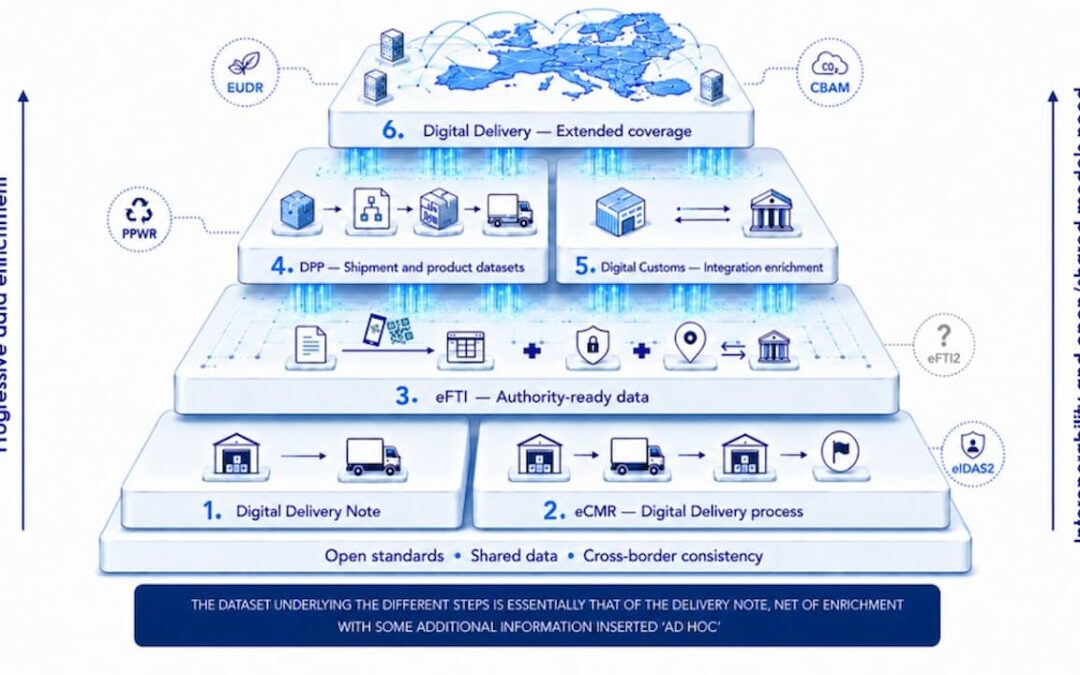
The EU is digitalising the supply chain through a range of interlinked requirements. To prevent this from resulting in a patchwork of solutions, open standards and interoperability are needed. A six-step roadmap could pave the way for an end-to-end digital supply chain in road freight transport.
17 November 2026 | Magazine
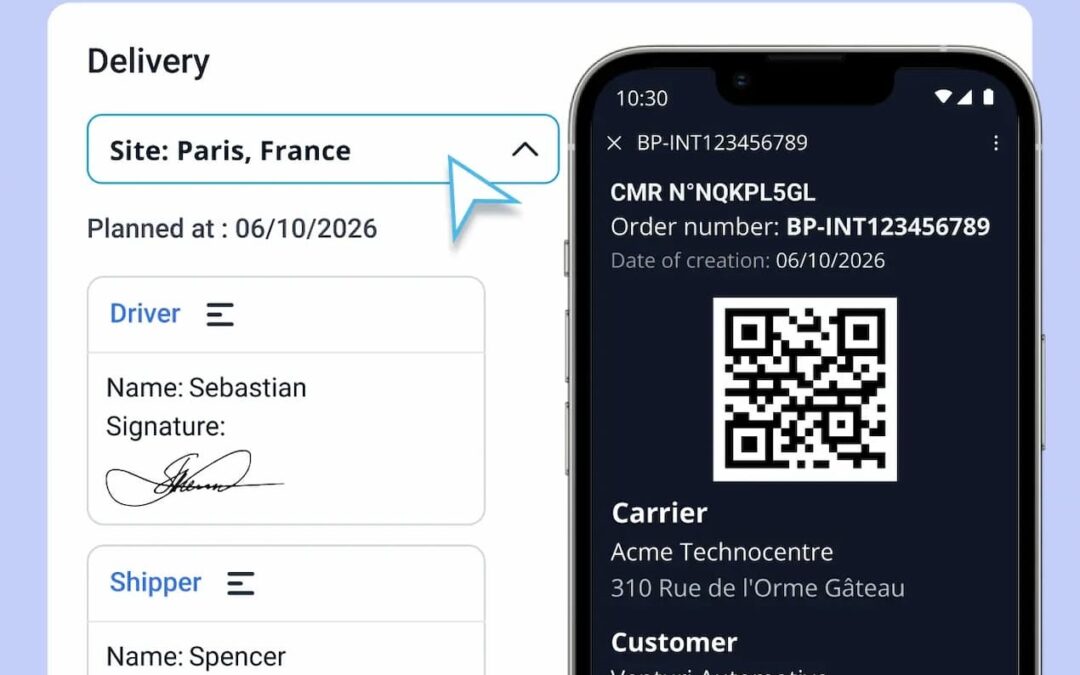
As a real-time transportation visibility platform, Shippeo has long relied on open connectivity to connect fragmented systems and networks. The same principle applies to eCMR. Standardised, interoperable APIs make it easier for carriers and platforms to connect reliably, without creating new silos.

17 November 2026 | Magazine
Interoperability is now becoming a key challenge for digital supply chains. The software provider dbh Logistics IT therefore aims to bridge these gaps.
17 November 2026 | Magazine
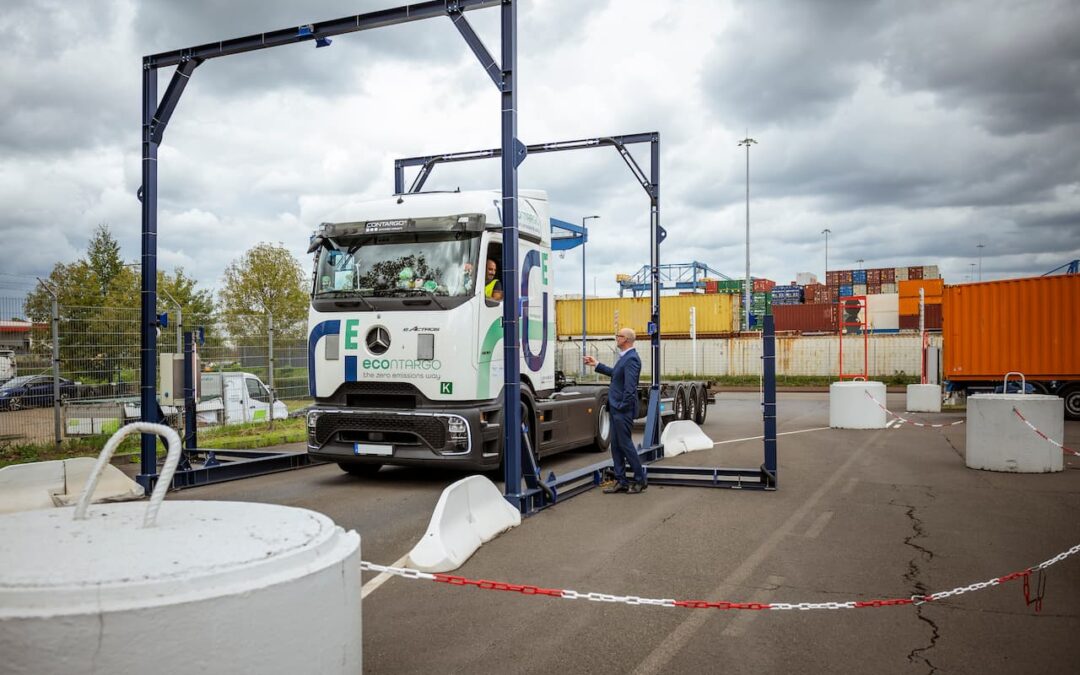
Through a consistent ‘Make’ strategy, the trimodal logistics company Contargo is digitising its core administrative and operational processes in the intermodal sector. The approach combines open source software with commodity IT, placing not only technological but also organisational demands on leadership and change management.
17 November 2026 | Magazine
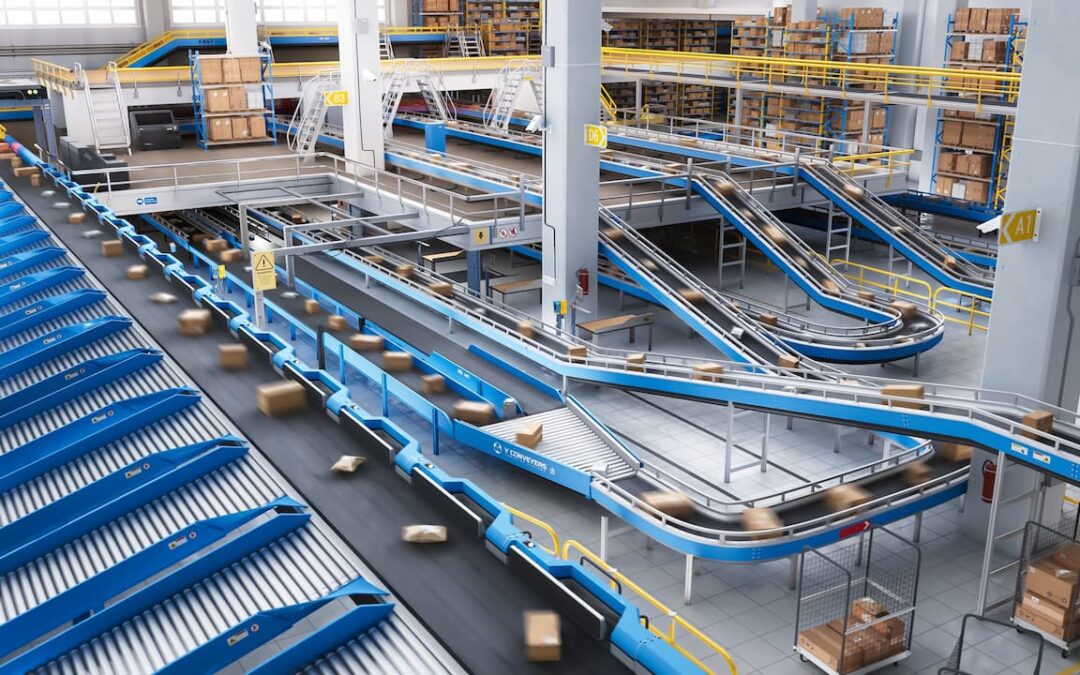
Reducing friction between supply chain stakeholders can strengthen networks and accelerate innovation. This is precisely why the software company Blue Yonder is investing in open APIs.
17 November 2026 | Magazine
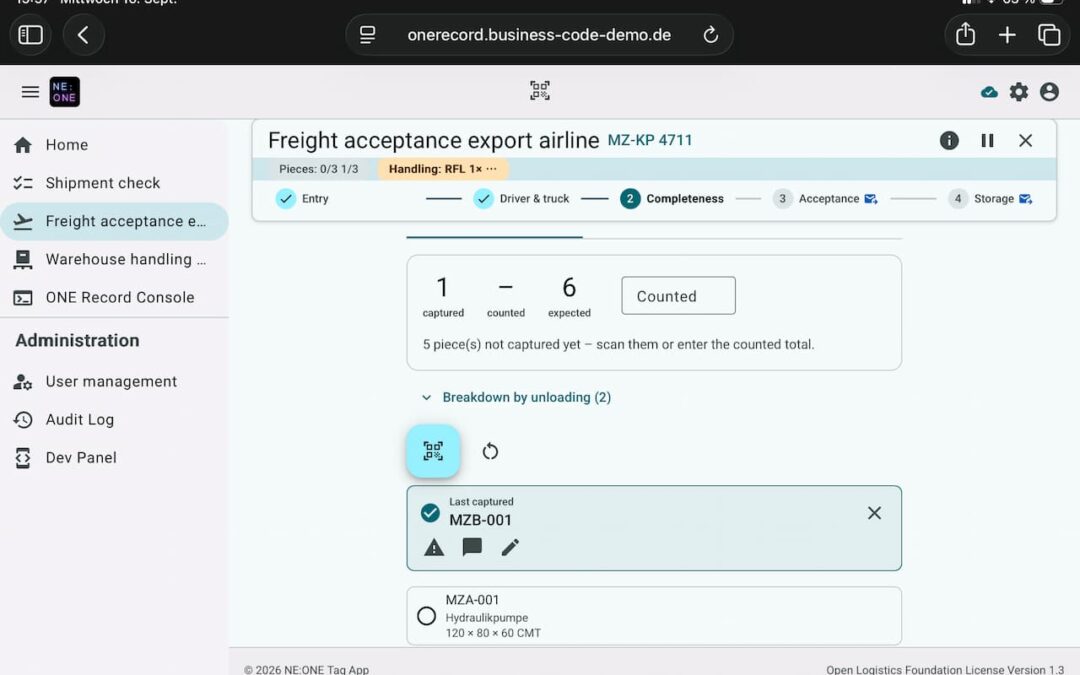
The NE:ONE Tag App aims to make the IATA ONE Record standard easier to use in day-to-day operations. This allows physical objects to be linked quickly and unambiguously to their digital counterparts.

17 November 2026 | Magazine
Trust is good, verification is better: the IT service provider iteratec sees the Cyber Resilience Act as an opportunity – including for the open source community.

17 November 2026 | Magazine
For Europe’s small and medium-sized freight forwarders, digitalisation is now a key competitive factor. Two experts in SME logistics explain the role played by open standards and interoperable systems in this context.

17 November 2026 | Magazine
Global logistics relies on numerous digital systems and stakeholders. Resilience cannot, therefore, be achieved through complete independence. Instead, the logistics provider Rhenus focuses on
transparency regarding interdependencies, interoperability and collaborative solutions.
