Europe’s invoice traffic is being rewritten one deadline at a time. Italy went first in 2019, Germany followed in 2025, and 2026 brought Belgium, Croatia, Poland and France within months of each other. Slovakia comes in 2027, Slovenia in 2028. Outside the EU, Serbia is already live. No two of the regimes are the same, and VAT reporting is being layered on top. Stacked, on timelines nobody coordinated, they expose the real problem: compliance does not scale.
Mandates, countries and deadlines keep multiplying. The number of people who understand both a national VAT rule and the protocol carrying it does not. A provider that builds every connection from scratch eventually runs out of road.
For years the reflex was to treat this as a competitive asset. Own the connectors. Build the format engine in-house and guard it. That reflex is now the problem.
E-invoicing shows both sides of it: Most mandates so far arrived with a platform or network of their own, connected on its own terms. Peppol is where that seems to be changing. Belgium and Slovakia carry their invoice traffic on it, and Slovakia is the first to put the tax reporting leg there too. EN 16931, the Peppol specifications and the protocols beneath them are public, and so are the open-source Peppol libraries for validation, participant lookup and message exchange. Markant’s invoice exchange runs on those established libraries rather than a stack built in-house. When OpenPeppol published a release in May that became binding across the network in August, everyone on the shared libraries absorbed it as an upgrade. A proprietary engine gets rebuilt instead, in every country, at every release.
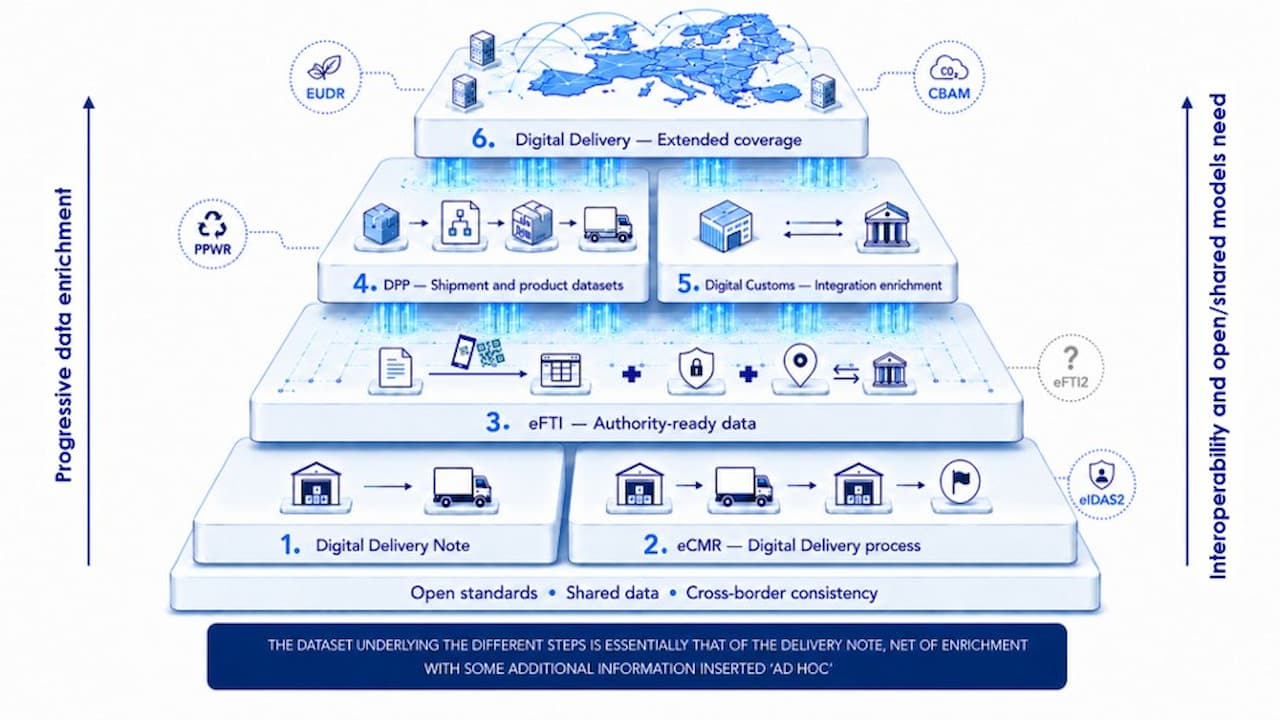
A shared base is also a shared exposure, and the line that open code is transparent and therefore safe does not survive contact with an auditor. Transparency lets code be read. It does not make code trustworthy. Assurance comes from validation and certification: a Peppol service provider must hold an ISO 27001 certificate, an eFTI platform will need conformity assessment by an accredited body, and a base everyone draws on has to be maintained by more than a few.
Learn more about the eFTI Regulation.
None of which wins a customer. Security is the entry ticket. Without it there is no business at all, and with it no advantage. Moving a structured document and reporting it correctly will be a commodity long before the mandates stop arriving.
What keeps a customer is what gets built on top of the same data. An invoice structured for a tax authority can be matched automatically against the goods receipt. A dispatch advice that already moves for the delivery can carry claims handling and take paper out of the warehouse. The whole flow, once structured, becomes supply-chain intelligence: which supplier has gone quiet, which deliveries arrive as promised. No mandate asks for any of this, and all of it depends on the compliance layer working.
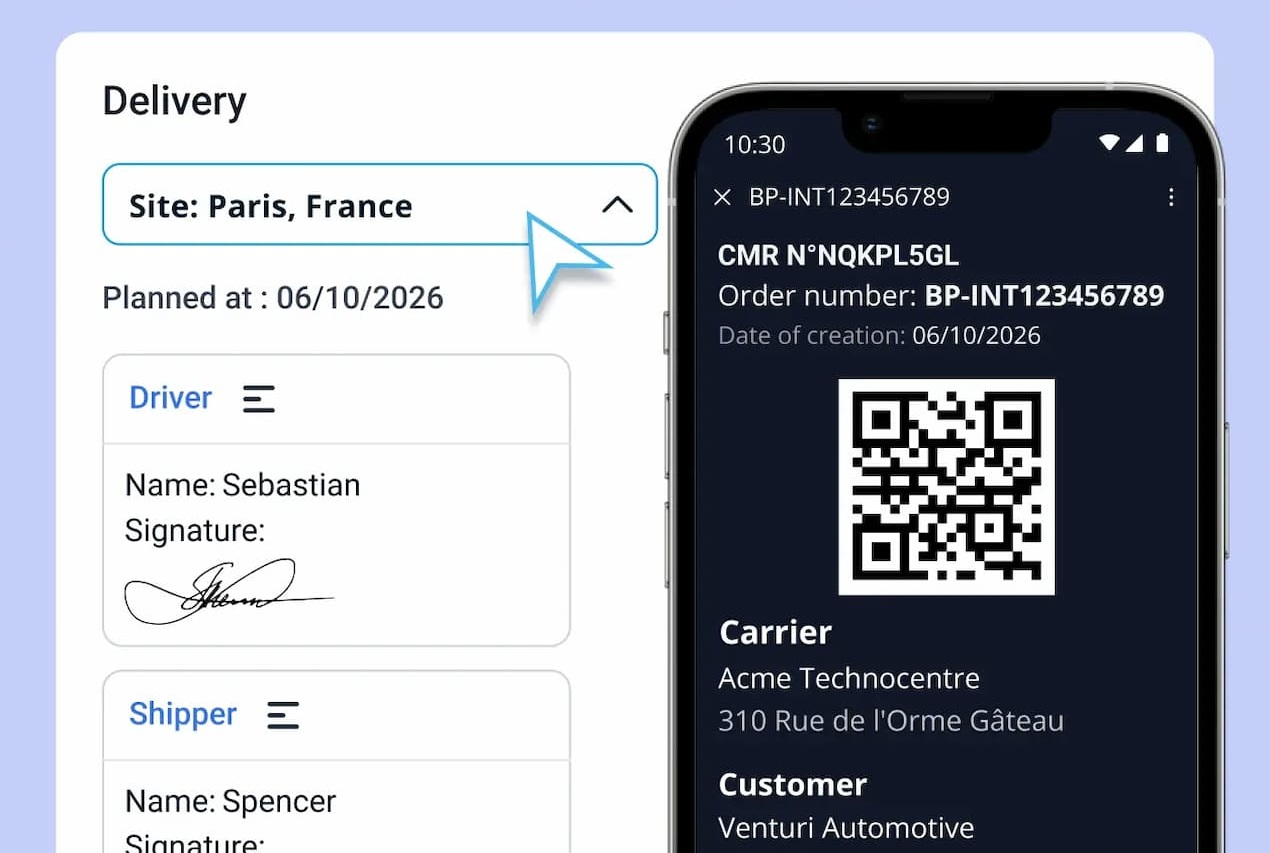
The shared base is nobody’s competitive asset, and open source is how it gets built once instead of fifty times. Logistics is starting the same way, with the open eCMR. The people who would otherwise be rebuilding parsers are the ones who build what a customer stays for. Certification is what keeps it honest. The next deadline will not be met by whoever writes the most code, and it will not be won there either.

About the author
Alja Ladinek, LL.M., is Team Lead and Senior Project Manager for e-invoicing and EDI at Markant Services International, focusing on cross-border invoicing mandates and VAT reporting.