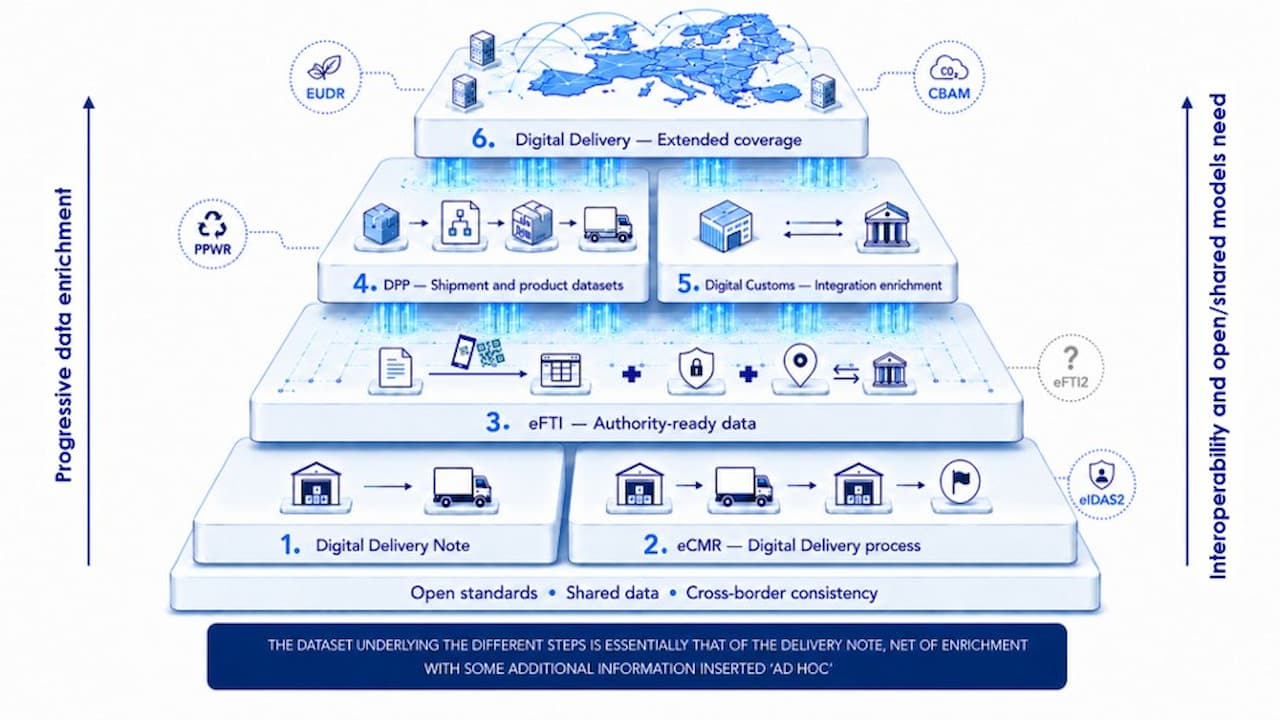
Although the logistics sector is becoming increasingly digitalised, the smooth flow of information along many supply chains continues to be hampered by one key challenge: the lack of interoperability between the IT systems in use. The reason for this is rarely a lack of willingness to digitalise, but rather the multitude of different applications used by shippers, freight forwarders, port operators, railway companies and public authorities. Each player optimises its own processes, yet gaps remain between the digital solutions.
On its journey from the shipper to the consignee, a container passes through numerous systems: the freight forwarder’s transport management system, customs applications for exports and imports, the software of a port terminal, and – in the case of rail transport – the systems of the port railway and the
railway operator. Each of these systems uses its own data structures and interfaces. Without seamless data exchange, this leads to data discontinuities, duplicated work, and lost information. This costs time, increases the likelihood of errors and hinders the transparency that customers and authorities increasingly expect.
Data exchange itself is becoming a bottleneck in the digital supply chain. This is precisely where open standards and common data models come into play. Their importance is evident in rail freight transport, for example: under the European TAF/TSI requirements, standardised Train Composition Messages (TCM) enable the cross-system exchange of information on train formation. Uniform formats ensure that data can be provided and processed consistently.
A practical example illustrates how many applications need to work together: in the case of containerised sea transport followed by rail transport to the hinterland, a transport management system schedules the order, customs software handles the necessary declarations, and a port system manages
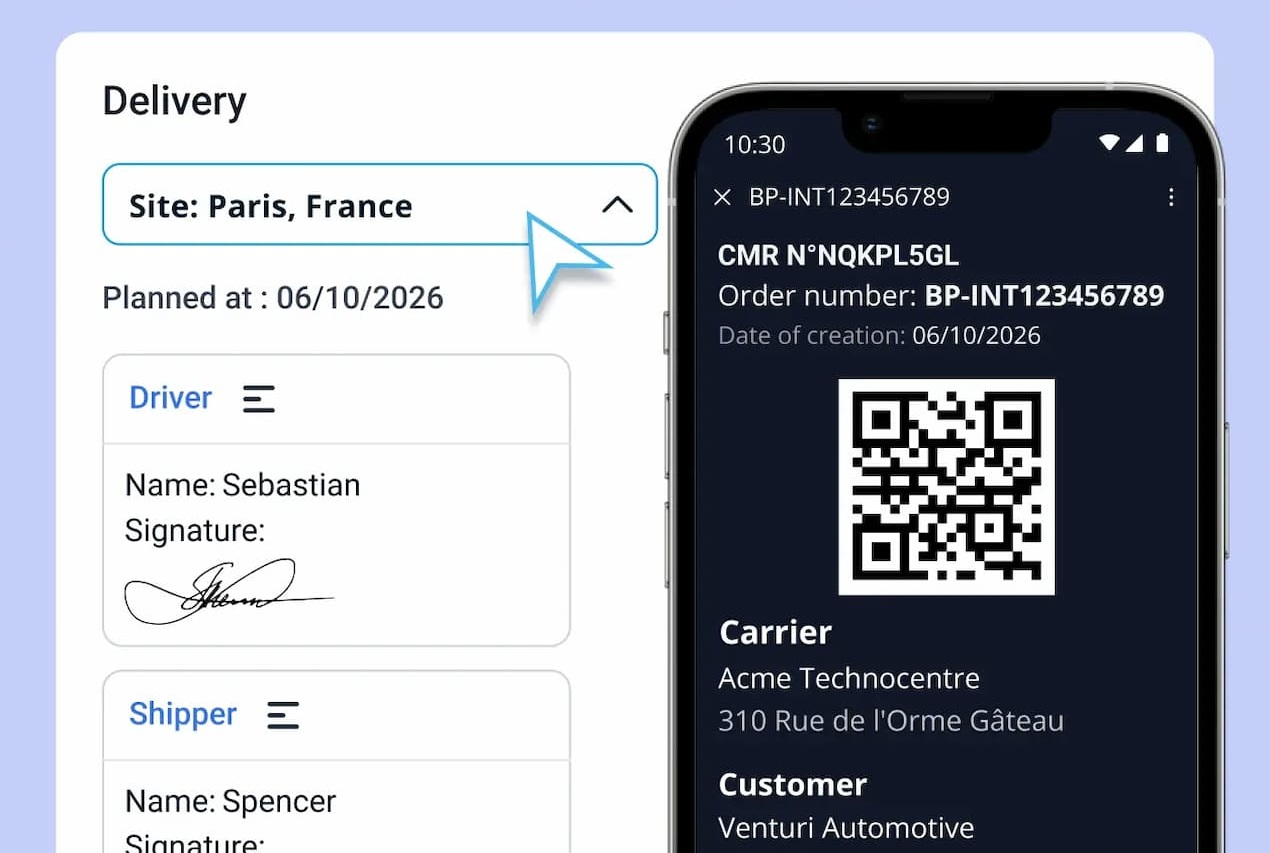
order processing at the terminal as well as the scheduling of railport infrastructure. Solutions for transport management, customs clearance, rail control and port logistics map out different process steps. Examples of these include Fiduz, Advantage Customs, PRINOS, CODIS and ALPO. These applications deliver their true added value when they are able to exchange data seamlessly with the solutions used by other parties involved in the process.
Common data standards and standardised interfaces promote this interconnection.
They lower the barrier to entry for smaller players, facilitate collaboration between different applications and reduce the effort involved in developing bespoke interfaces.
The opportunities offered by this standardisation are clear: faster processes, fewer data disconnects, greater resilience to disruptions and greater transparency for all stakeholders. The future of many digital supply chains therefore depends not solely on the quality of individual applications, but on their ability to work together. Only when data flows seamlessly across organisational and system boundaries can the full potential of digitalisation be realised.

About the authors
Lena Sophie Plenge, Project Manager and Product Owner PRINOS, dbh Logistics IT AG, specialises in the digitalisation of rail and port processes, as well as the development of interoperable IT solutions for port logistics.
Matthias Pugliese, Team Lead and Product Owner Fiduz, dbh Logistics IT AG, is responsible for the further development of software solutions for transport management.
.
.