The logistics industry is entering a new era. Supply chains are no longer linear processes between individual companies. They are dynamic networks of manufacturers, logistics providers, carriers, warehouses, retailers, suppliers, and customers. Yet while physical supply chains have become highly interconnected, their digital counterparts often remain fragmented. Blue Yonder believes that one of the biggest barriers to supply chain performance is not the lack of planning capabilities, optimisation algorithms, or automation technologies. It is the effort required to connect them.
This belief is one of the reasons why Blue Yonder actively contributes to the Open Logistics Foundation and its connected Supply Chain initiatives. The motivation is simple: if Blue Yonder can reduce the cost and complexity of collaboration between supply chain partners, it creates space for innovation, resilience, and growth across the entire ecosystem. And this creates value for customers of today and tomorrow.
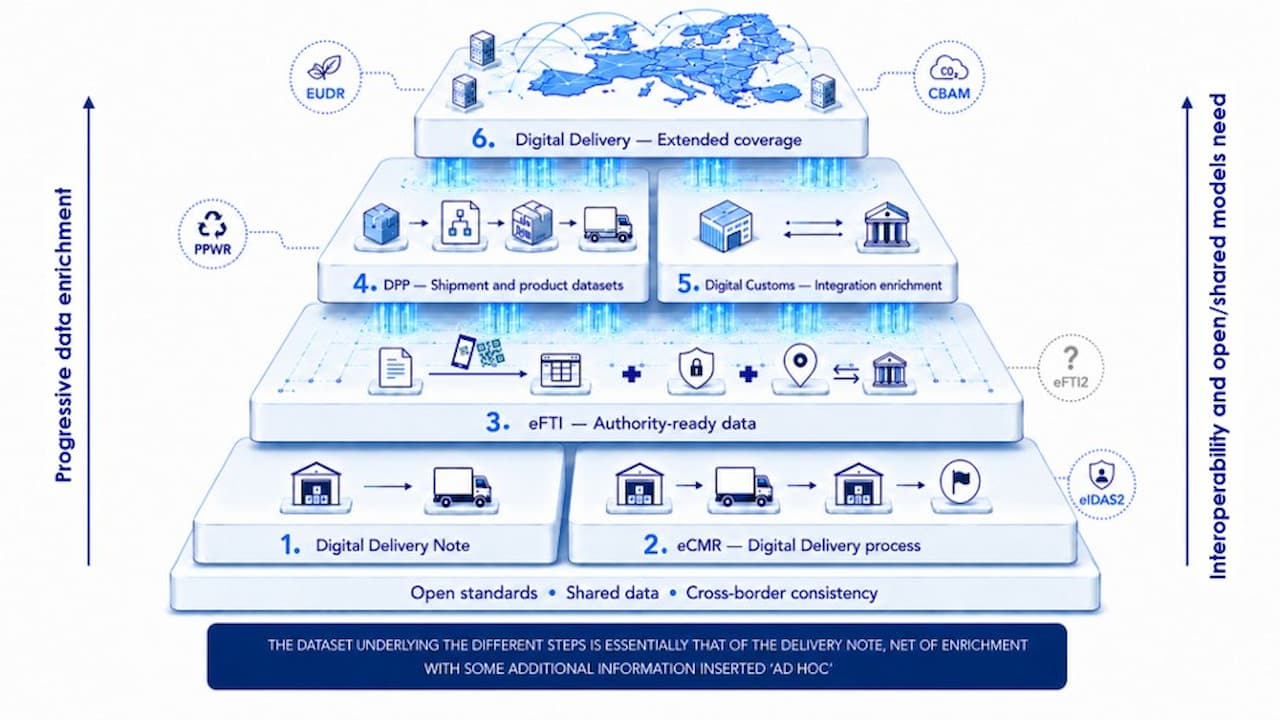
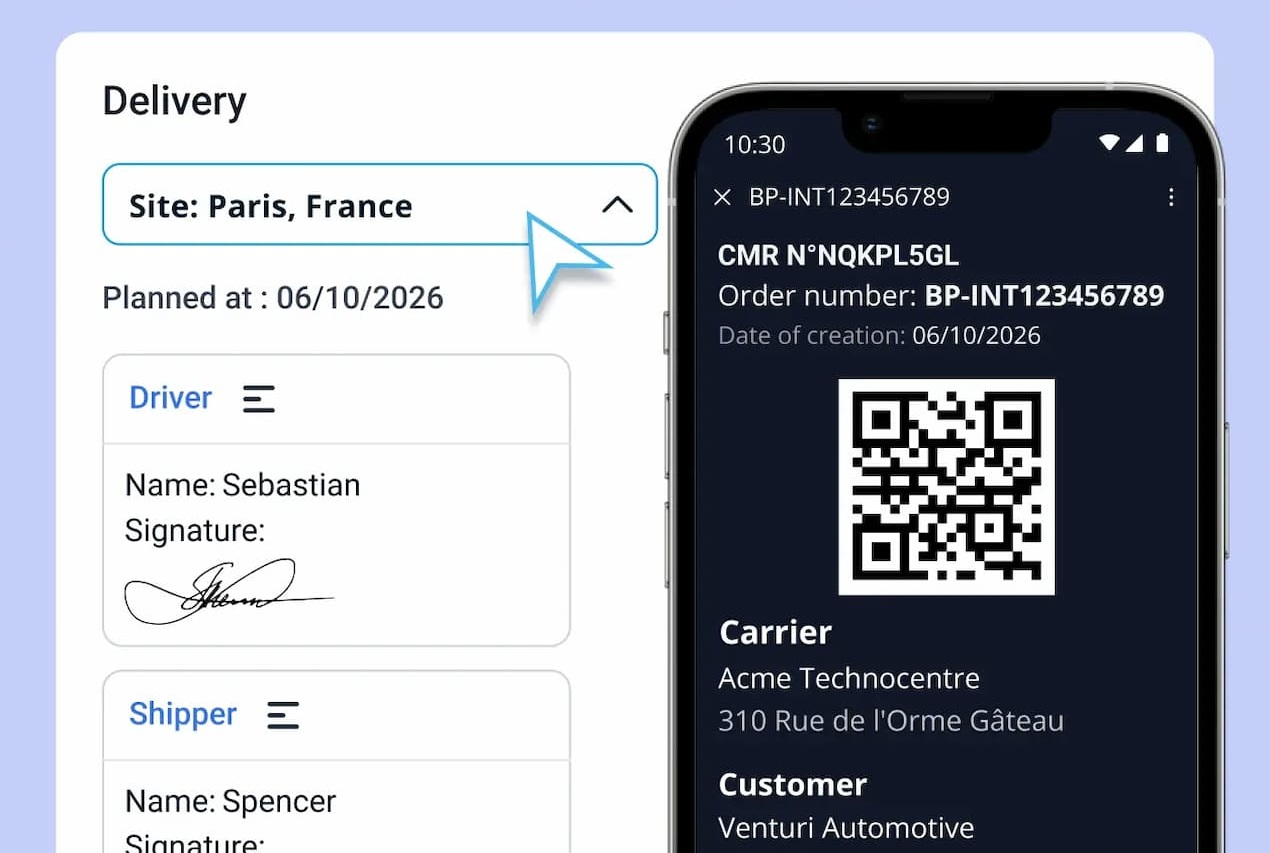
Two of the most recent examples are the involvement in the current CMR initiative, which is already live for operational use, and a new user group focused on addressing a major industry challenge: the waste and inefficiencies caused by time-window booking. The initiative is establishing a common, open source
standard for requesting and booking time windows. Once customers integrate this capability into their solutions, their planning systems can automatically identify available slots and book them based on the most efficient planning option. This creates a true win-win for both sides. Shippers and receivers can achieve a more balanced workload, while transport planners can select the time windows that best support cost-efficient and optimised tour planning.
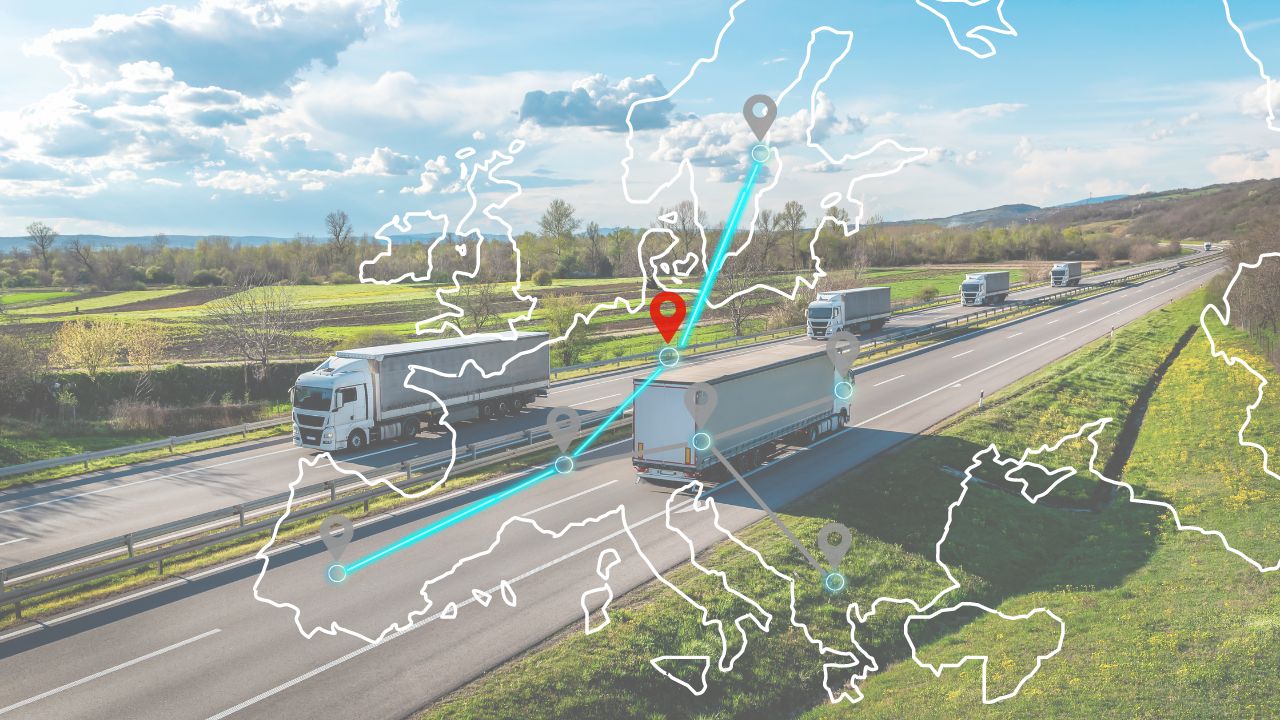
Learn more about the Time Slot Management project.
Supply chains win when collaboration becomes easier
Every company is under pressure to be faster and more responsive. Success depends on exchanging information and coordinating decisions across partner networks.
Unfortunately, a significant amount of effort is still spent building and maintaining interfaces between Transportation Management Systems (TMS), Warehouse Management Systems (WMS), planning solutions, and other operational platforms. These integration projects are necessary but create little
direct value, consuming resources that could be invested in innovation, AI, sustainability, or customer service.
Open APIs and common integration approaches reduce overhead significantly. Lower transaction costs make collaboration easier. Easier collaboration strengthens entire supply chain networks. And stronger networks make global supply chains more competitive.
Blue Yonder supports some of the world’s most complex supply chains. Blue Yonder works with organisations that operate global transportation networks, highly automated distribution centres, complex manufacturing operations, and sophisticated planning environments. This gives insights into the opportunities and inefficiencies across supply chain ecosystems.
“THE SUCCESS OF BUSINESSES DEPENDS ON COORDINATION WHEN MAKING DECISIONS WITHIN PARTNER NETWORKS.”
Robert Recknagel, Blue Yonder
As industry leaders, Blue Yonder believes the responsibility extends beyond the boundaries of the company’s own software solutions. It would be easy to optimise only within Blue Yonder’s applications. However, the greatest industry challenges often exist between systems, between companies, and between
process domains. That is why Blue Yonder engages in initiatives such as the Open Logistics Foundation. At Blue Yonder, the value has never been the interface itself. The value lies in helping customers make better decisions and execute them at scale. It lies in optimisation, planning intelligence, execution
excellence, advanced business logic, and the ability to orchestrate highly complex global operations.
The less time customers spend integrating systems, the more time they can spend improving their business. Open standards allow technology providers and customers alike to focus on higher-value challenges
AI makes open data more important than ever
The emergence of artificial intelligence further reinforces the need for seamless data exchange. AI systems can only create value when they have access to reliable, structured, and connected information. Whether supporting planners, identifying risks, recommending actions, or automating decisions, AI depends on data flowing freely across the supply chain.
The future will not be shaped by isolated AI solutions operating on isolated datasets. It will be shaped by intelligent systems that understand end-to-end supply chain processes across planning, transportation, warehousing, and execution. Open APIs and common data structures make this possible. They provide the foundation for AI agents, decision-support systems, and autonomous planning capabilities, improving visibility, responsiveness, and agility.
Blue Yonder’s vision is straightforward: supply chains should connect as easily as possible. A warehouse should be able to interact with transportation systems without costly custom projects. Planning and execution solutions should exchange information seamlessly, new partners should be onboarded
quickly, and innovations should be deployed without reworking integrations each time.
The Open Logistics Foundation provides an environment for organisations to collaborate on shared industry challenges while continuing to compete through
innovation, expertise, and customer value.
Reducing friction between supply chain participants can strengthen networks, accelerate innovation, and help businesses navigate increasing complexity. Ultimately, this allows companies to focus less on connectivity challenges and more on building smarter, more resilient, and more connected supply chains.

About the author
Robert Recknagel, Vice President and Head of Operations & Go-To-Market, Blue Yonder, oversees sales, implementation, and strategic product development within the logistics and manufacturing sectors. He provides expert guidance to companies in these industries, assisting them in selecting and implementing IT solutions across strategic, tactical, and operational planning levels.
.