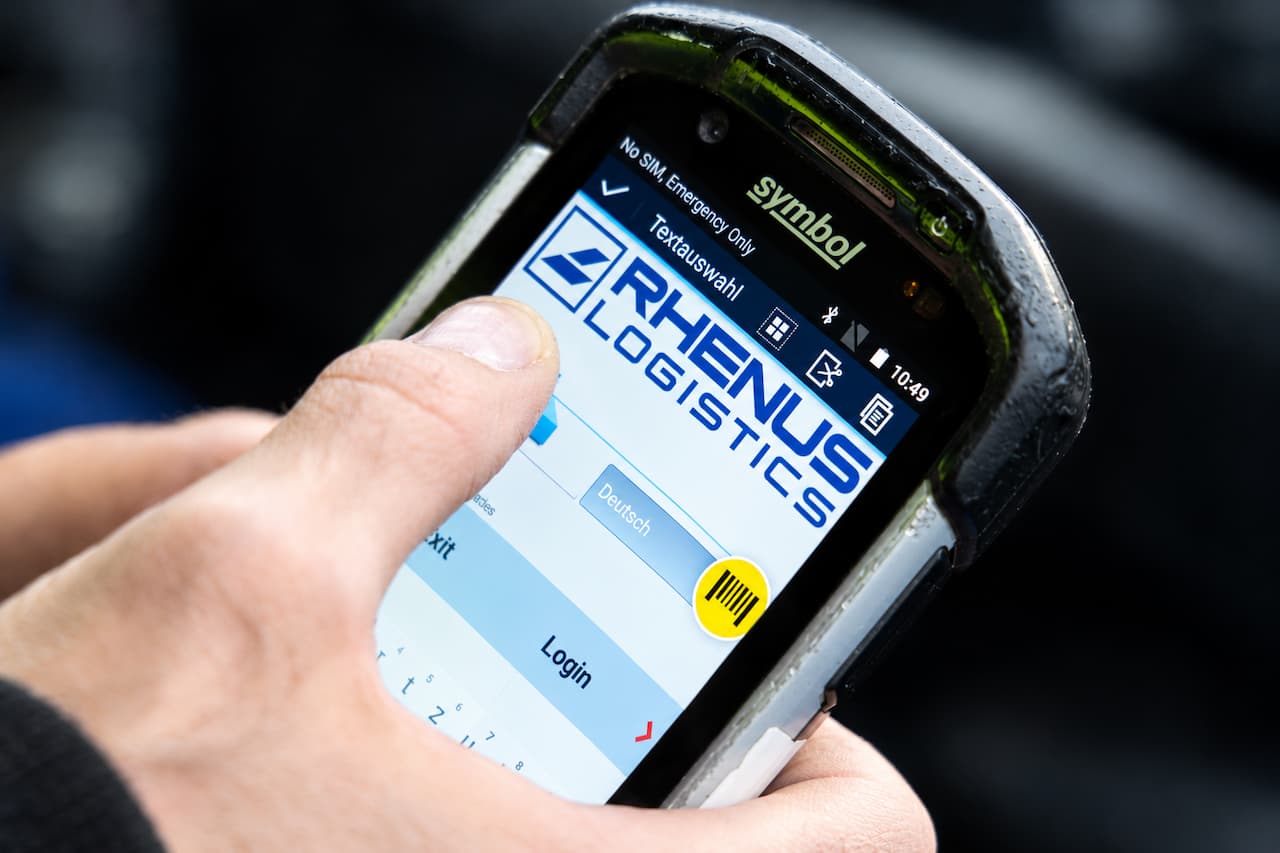
Modern logistics on a global scale is not a simple affair. It runs on an ecosystem of software vendors, cloud platforms, customer systems, carrier networks, authorities and digital interfaces. And modern logistics isn’t simply a matter of systems talking to systems. It is also deeply reliant on people. Drivers still collect and hand over documents. Customs officials still review these documents and shipment information. Warehouse teams, dispatchers and customers still interact across multiple systems and organisations. Every shipment depends on information moving between these players as reliably as the goods themselves. As logistics becomes increasingly digital, our dependence on these interconnected systems continues to grow as well. The reality of this accelerating interconnectedness makes it clear that no logistics company operates independently. Nor should it.
Digitalisation has helped to make global supply chains faster, more transparent and more efficient than ever before. But this has also created new forms of dependency that deserve greater attention. Digital sovereignty has become one of the major topics for many organisations and companies, especially in Europe.
Understanding dependencies is key
Rhenus knows complexity. Like many international organisations, the IT landscape reflects decades of global growth, during which different systems, platforms and organisational structures have developed. This growth and the diversity it has created have been vital to the business, but it also comes with
the challenges of transparency, integration and collaboration. This dynamic exists across the logistics industry and affects us all.
Every customer, carrier, tech provider and authority brings its own systems and processes to their segment of the supply chain. This means the greatest challenges usually don’t emerge within individual systems – but between them.
One company’s process may work efficiently within its own environment while creating friction everywhere else. Companies may create a digital document, only to have it printed, signed, scanned and emailed by the next participant because they can’t process it in the same way. In logistics, clearly fragmentation, digital or otherwise, has always existed.
That is why a first step towards resilience has to be understanding where the dependencies exist and what impact they have on all of us. The objective then is not to eliminate every dependency, which is unrealistic, but to better understand which dependencies matter most and where the greatest influence over systems, standards and interfaces is needed.
“JOINT OPEN SOURCE SOLUTIONS HELP TO REDUCE THE WORKLOAD BY SOLVING COMMON PROBLEMS.”
Markus Sandbrink, Rhenus Group
Collectively solving common problems
Most European companies are already operating within a digital landscape shaped by a relatively small number of global tech ecosystems. These technologies have delivered incredible value and are already deeply embedded in how we operate. So, Rhenus’ ambitions are not usually to become completely independent with an own set of systems. The more practical approach is to understand how Rhenus can gradually influence which systems and standards it depends on collectively.
This approach asks:
- Can we adapt when requirements change (and can we do it swiftly)?
- Can we connect to new partners quickly and efficiently?
- Can we be a part of shaping the future direction of digital infrastructure?
These questions are about influence, not ownership. As software becomes critical infrastructure for global logistics, resilience will depend less on trying to control every system and more on understanding where we can adapt, collaborate and help shape the standards that matter. Shared open source solutions help to reduce efforts by solving common problems.
eCMR as a practical example
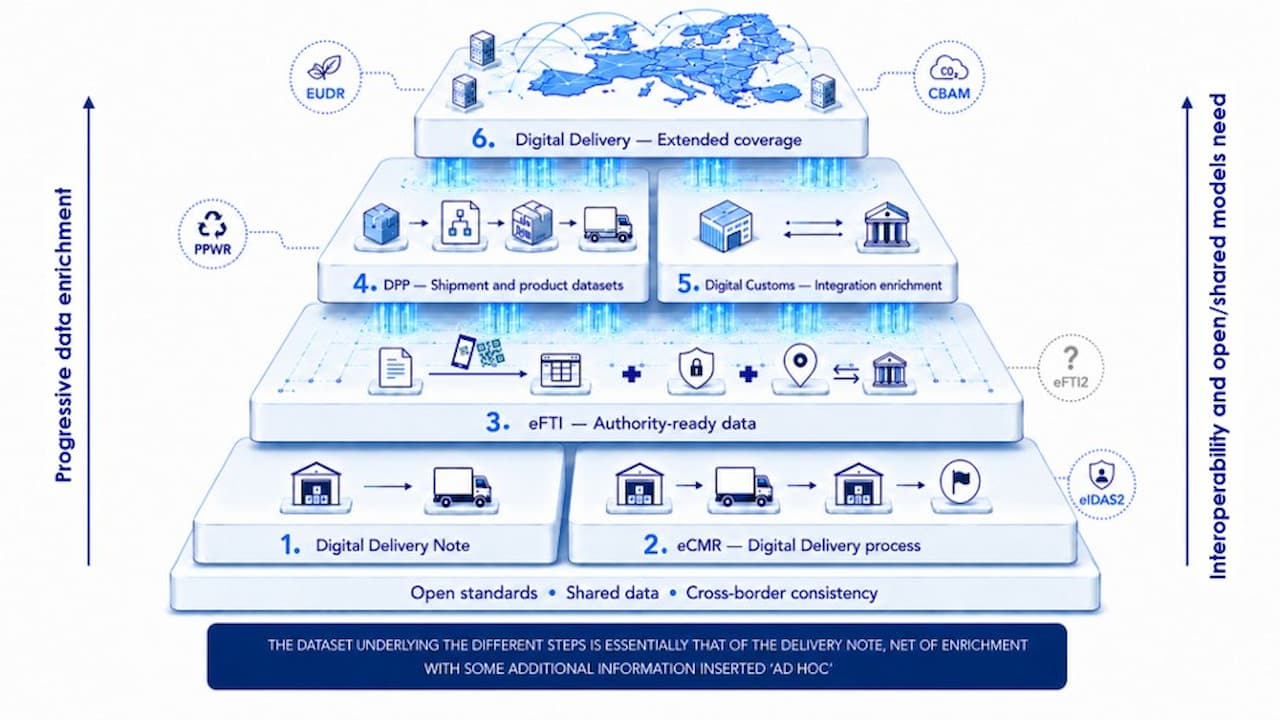
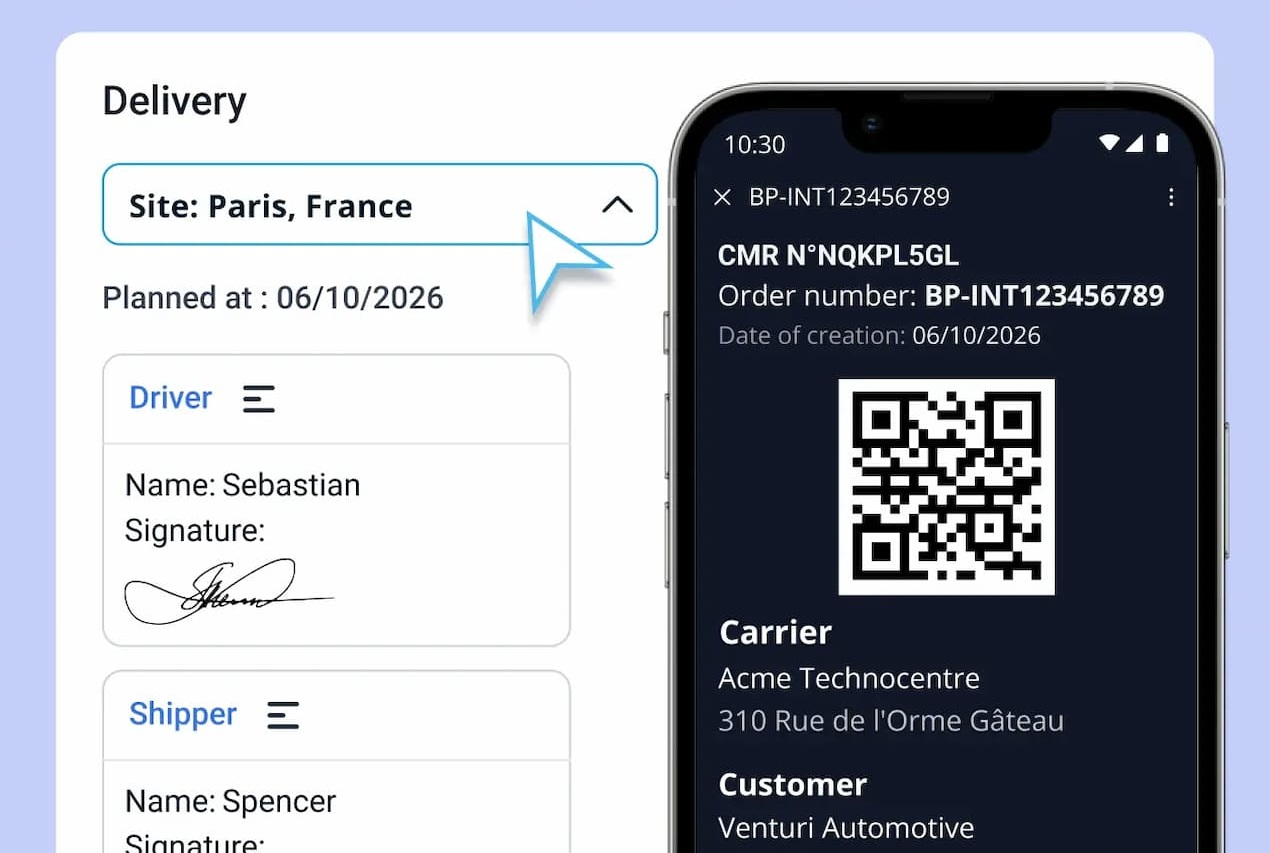
Electronic transport documents (eCMR) provide a clear case of this challenge. For decades, freight documentation has consisted of paper-based processes, manual handling and fragmented information flows. Over time, the industry has developed numerous digital alternatives, often solving the same problem in different ways. So, the challenge has never been about creating the ultimate digital document. It has been about ensuring the different players can use and exchange that document across all organisational and national boundaries.
This is where the Open Logistics Foundation brings the most added value. It is not from a promise of a revolutionary breakthrough, but in creating a framework for peer-to-peer collaboration around common industry challenges. Challenges that affect many of us are often impossible for one company to solve on their own. This makes interoperability, shared standards and open cooperation increasingly relevant and valuable.

Learn more about the OLF-eCMR Toolbox.
Open Source as a viable solution
Open source does not solve every challenge and it does not automatically create digital sovereignty. However, that does not diminish its immense value.
Open source allows organisations to understand the available solutions more deeply, contribute expertise, actively participate in development and avoid unnecessary dependencies. It also encourages and supports transparency, continuity and coordination.
With that in mind, successful open source projects, including those helmed by OLF, require more than source code. They also need governance. They need adoption. And they need committed participants willing to invest time, expertise and resources over the long term.
From discussion to implementation
There is no question among us on the importance of interoperability, and there is a growing recognition that shared digital foundations can strengthen resilience across the industry. Now, the more difficult challenge arises – translating that agreement into widespread adoption and practical implementation.
This aspect of progress does not happen overnight.
Yet progress is being made. Much of the work happens behind the scenes at first, as organisations build trust, align interests, establish governance and demonstrate value before the broader execution becomes possible.
Turning this collaboration into practical implementation at scale requires patience, but above all, persistence and a willingness to invest in foundations that will take time to become fully realised. This may be the least visible part of the process, but also where the basis for lasting change is created.
Looking ahead
For logistics companies, the future will not be defined by total independence from technology ecosystems. It will be by the ability to understand our dependencies, to manage them intelligently and to steadily increase influence where it collectively matters most.
Building that influence takes time. Sometimes it can feel like watering a plant in ground that is so dry the water barely penetrates the surface. Yet abandoning the effort because results are not immediately visible would be the greater mistake. The real task is to keep investing in foundations that allow progress to compound over time. Not because influence is guaranteed, but because without active participation, progress cannot take root at all.
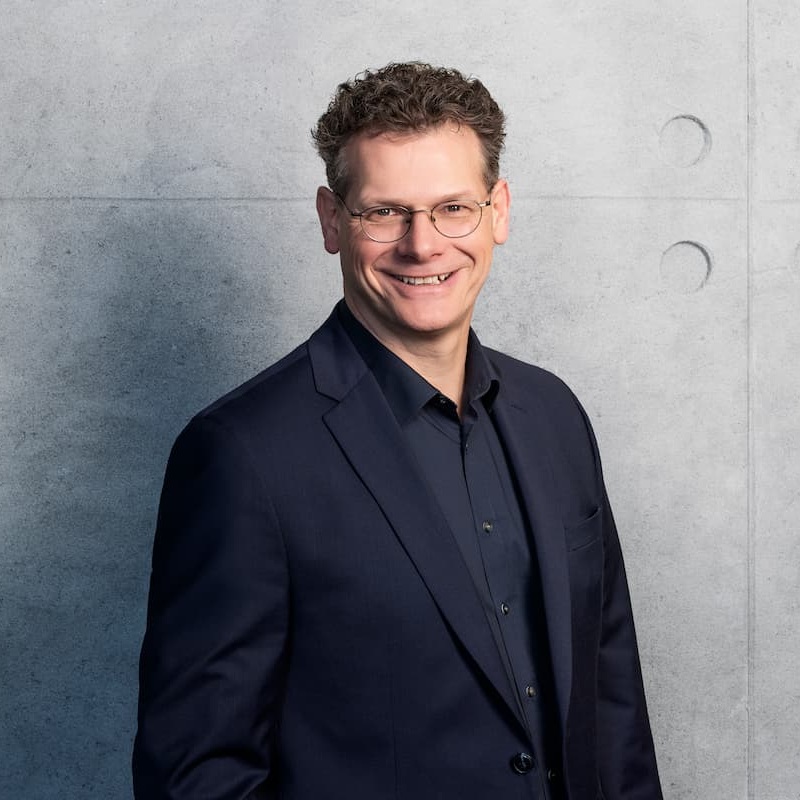
About the author
Markus Sandbrink is Group CIO at Rhenus Group, where he leads global IT transformation and advocates for resilient digital foundations, interoperability and collaborative approaches to logistics innovation.