
19 May 2026 | Blog
The article in 7 statements:
1. Material, information, and financial flows must be viewed as an integrated overall system.
2. Liquidity is a key performance factor in modern supply chains.
3. Efficiency is achieved by reducing financial friction losses along the supply chain.
4. Resilience is achieved through financial and operational synchronisation.
5. Sustainability requires financial stability.
6. The financial digital twin will become the central management tool in the future.
7. Open source is the key to interoperability and scalability.

30 March 2026 | Blog
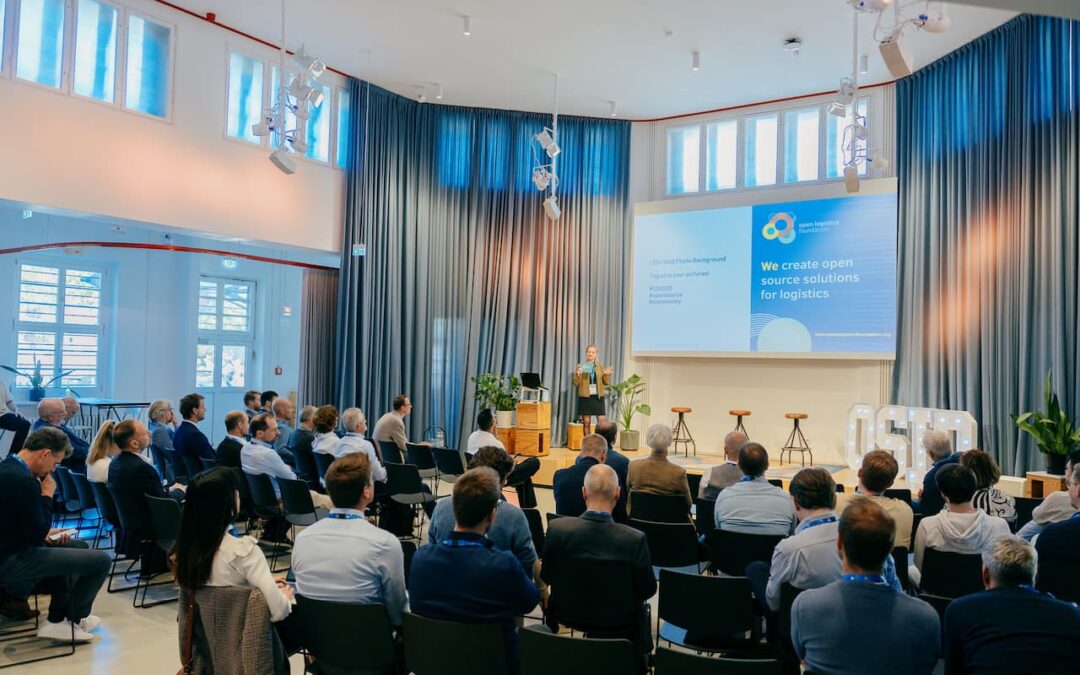
Why is Blue Yonder investing in open source? Because true differentiation in the supply chain does not come from document formats or interfaces. Together with the Open Logistics Foundation, the company is promoting open standards such as eCMR and timeslot booking. The aim is to reduce fragmentation, simplify integration and lay the foundation for intelligently connected, scalable logistics networks.
19 February 2026 | Blog
At the Open Logistics Foundation, companies from the logistics and IT sectors are driving the digitalisation of logistics through a joint project for all companies, rather than developing individual solutions that are ultimately incompatible. At the heart of this initiative is the idea of open, fair and sustainable collaboration to develop common digital standards that benefit an entire industry. Dr. Jorg Fedtke, LL.M, explains the corporate law model of the Open Logistics Foundation, which guarantees neutrality, fairness and participation for all involved.

15 January 2026 | Blog
In logistics, every shipment leaves a trail of carbon data. Yet, that information rarely “travels” smoothly between partners. The challenge today is not so much collecting the data – many companies already calculate and report their own CO₂ emissions. The difficulty lies in transmitting that data across company and geographical boundaries, where fragmentation, inconsistent reporting, and opaque systems create persistent blind spots.
30 October 2025 | Blog
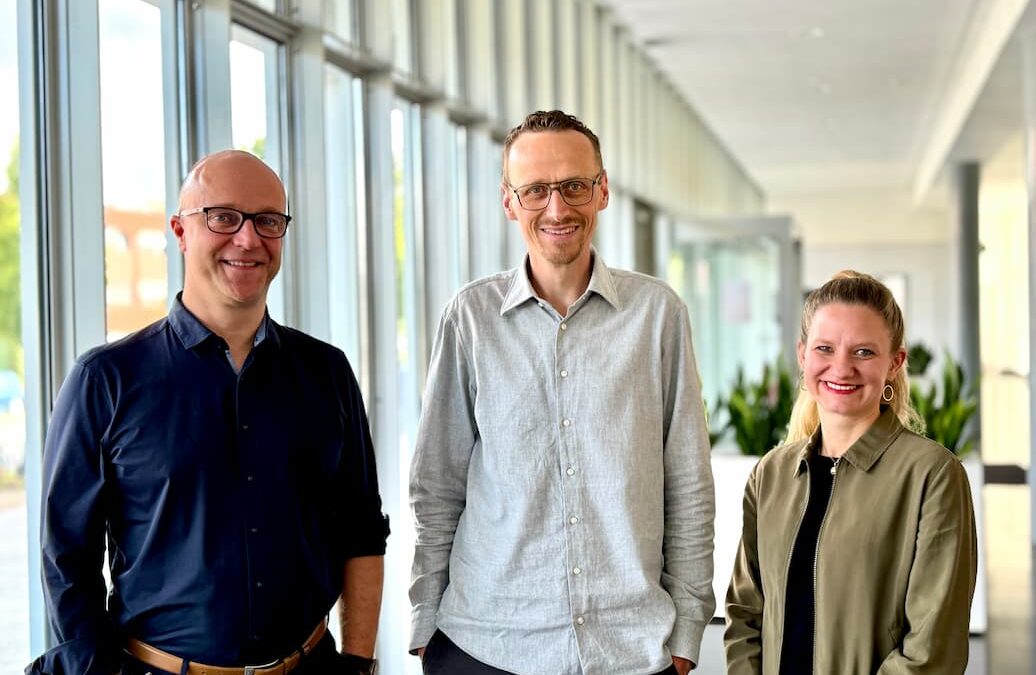
Digital resilience is becoming as vital to logistics as its physical infrastructure. In this joint reflection, Andreas Nettsträter, Carina Tüllmann, and Thorsten Hülsmann – the CEO, CCO, and CFO of the Open Logistics Foundation, respectively – share their perspectives on how Europe’s logistics sector can strengthen its digital sovereignty through open collaboration, open source, and open standards.
14 August 2025 | Blog
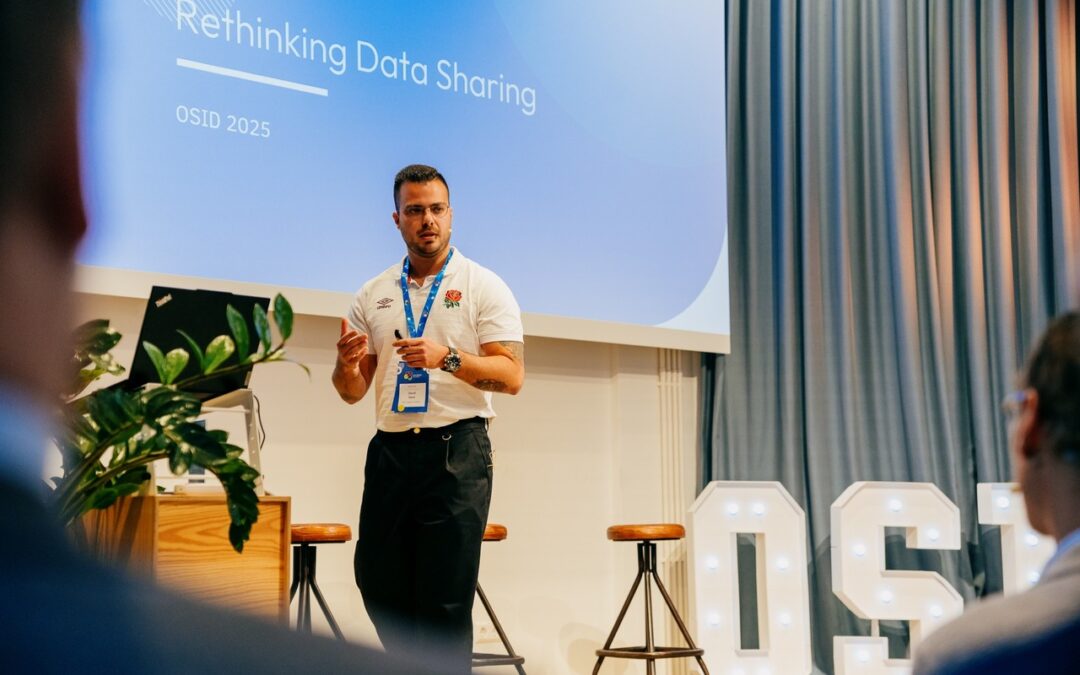
The EU Data Act is reshaping logistics by granting Users access to connected-product data and requiring secure, real-time sharing. The Act introduces potential compliance issues, of course. But, for companies that act now, they have a chance to gain a competitive edge through open source and innovation.

2 June 2025 | Blog
The software for the eCMR, developed by member companies within the Open Logistics Foundation, provides the long-demanded basis for the digital and efficient organisation of international goods transport. The solution does not rely on the electronic signature, which would correspond to the analogue personal signature customary for consignment notes today, but on the advanced electronic seal – an interview with Dr. Detlef Hühnlein, Founder and Managing Director of the signature expert ecsec. The company was involved by the Open Logistics Foundation for the technical implementation.

11 March 2025 | Blog
The logistics industry demonstrates how similarities can be strengthened and the future embraced, rather than differences being emphasised and exploited. The Open Logistics Foundation has created a space for the collaborative development of innovative logistics solutions that serve the common good, rather than the interests of a single company. In this interview, Andreas Nettsträter and Carina Tüllmann, the CEO and COO of the Open Logistics Foundation, respectively, explain why a sense of community must take precedence over individual efforts.
6 January 2025 | Blog
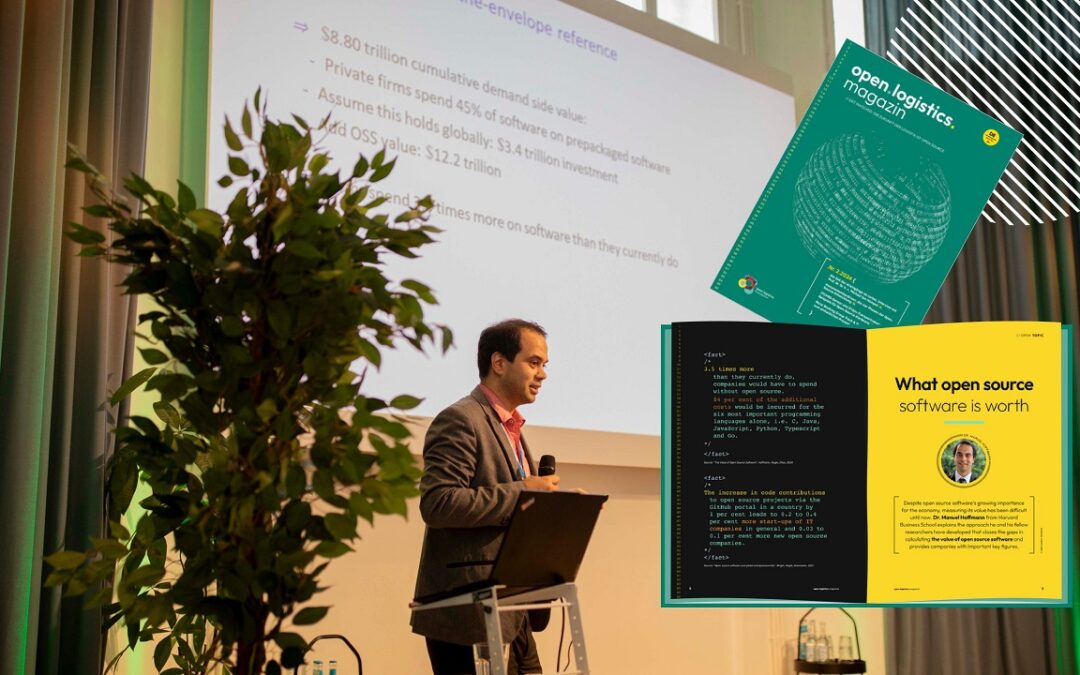
Despite open source software’s growing importance for the economy, measuring its value has been difficult until now. Dr. Manuel Hoffmann from Harvard Business School explains the approach he and his fellow researchers have developed that closes the gaps in calculating the value of open source software and provides companies with important key figures.
